June 19, 2026
UK Property Market / Manchester
Share :
Awaab’s Law: 5 Essential Maintenance Checks for London Landlords
The regulatory landscape for London’s private rented sector is shifting quickly, and property standards have never been under greater scrutiny. Following the implementation of core provisions under the Renters’ Rights Act earlier this spring, including the abolition of Section 21, which the government’s focus has firmly landed on property conditions. Central to this is the impending extension of Awaab’s Law to private landlords.
Originally designed to hold social landlords accountable following the tragic death of toddler Awaab Ishak, the legal framework is now being rolled out across the private sector. Under these damp and mould regulations, landlords will face strict, legally binding timelines to investigate and remedy hazards. Failing to act can result in severe financial penalties, civil litigation, and rent repayment orders.
In a tighter regulatory environment, a reactive “wait and see” approach to maintenance is a major legal liability. Protecting your investment requires a shift toward proactive property maintenance in London.
Here are five essential maintenance checks landlords must implement to remain fully compliant and protect their assets.
1. Active Ventilation and Extractor Fan Audits
Mould thrives in stagnant, moisture-rich air, making effective extraction your primary line of defence. Standard property inspections often overlook whether an extractor fan is actually shifting air or just making noise.
The Check: Mechanically test extraction rates in high-moisture zones like kitchens and bathrooms. Ensure over-run timers on fans are operational and that ducting is entirely clear of external blockages.
The Proactive Edge: Consider upgrading older, manual units to continuous mechanical extract ventilation (dMEV) systems or humidi-stat fans that automatically trigger when moisture levels rise.
2. External Structural Integrity and Gutter Clearing
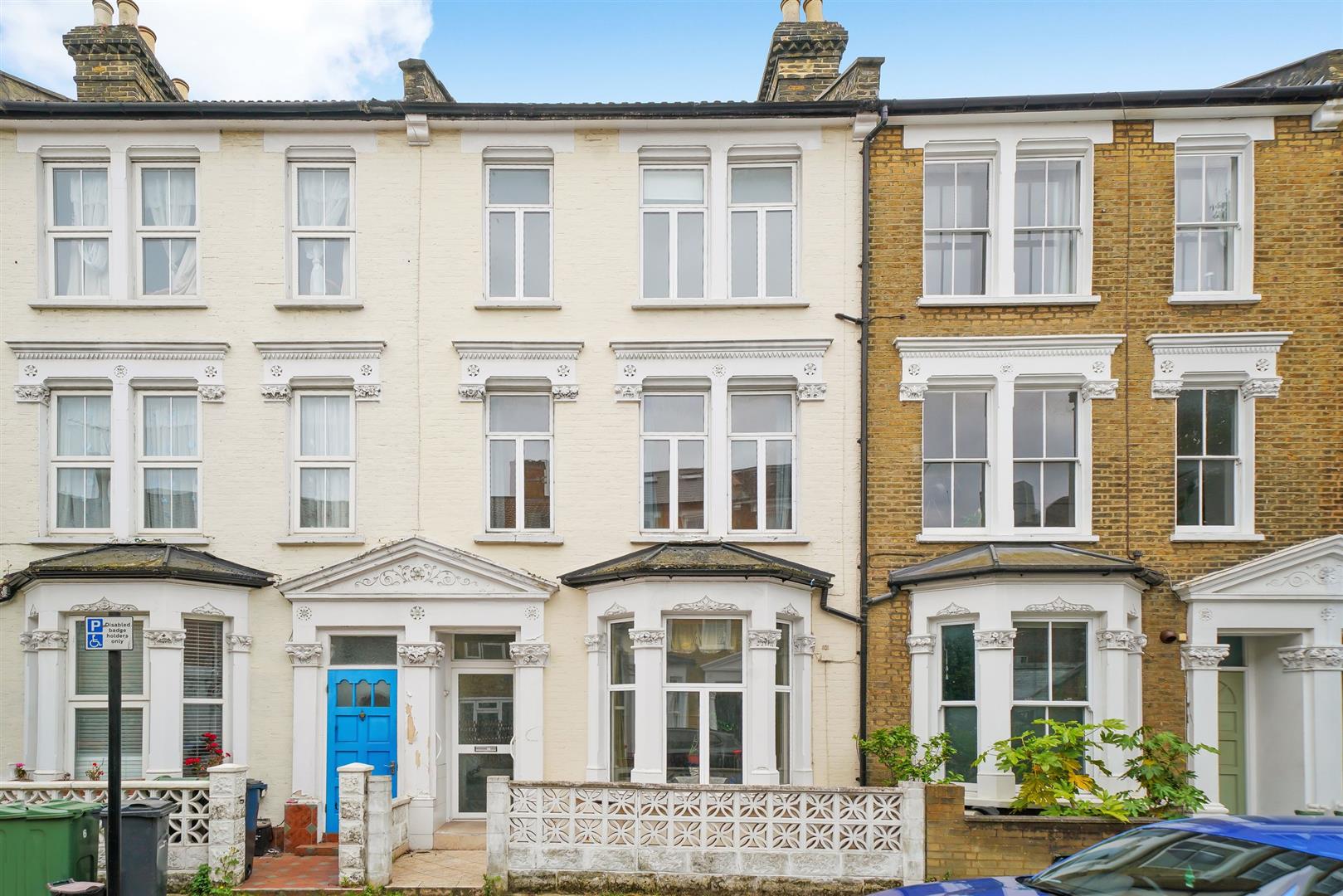
A significant portion of serious damp issues in London’s Victorian conversions and brick-built properties stems from penetrating damp caused by external failure.
The Check: Clear gutters and downpipes at least once a year, particularly ahead of winter. Inspect external brickwork for failing mortar, cracked rendering, or damaged window seals that allow rainwater to breach the building fabric.
The Proactive Edge: Check that the property’s damp proof course (DPC) has not been bridged by newly laid garden beds, patios, or external rubbish storage.
3. Thermal Comfort and Insulation Assessments
With “excess cold” tightly linked to moisture accumulation, property insulation plays a direct role in hazard prevention. When walls drop below a certain temperature, internal humidity condenses instantly on the cold surface, creating a breeding ground for black mould.
The Check: Assess properties for cold spots, particularly on exposed corner walls or behind large furniture. Ensure loft insulation is at the recommended depths and hasn’t been disturbed.
The Proactive Edge: Addressing insulation deficits doesn’t just prevent condensation; it protects your asset’s energy performance rating, keeping the property attractive to premium tenants.
4. Direct Pipe and Waste Leak Detection
Slow, hidden leaks behind kitchen cabinetry, under baths, or within integrated appliance housing can quietly saturate floorboards and drywall for months before showing visible surface signs.
The Check: Conduct pressure tests on heating systems and visually inspect all visible pipework, waste seals, and appliance connections during routine maintenance cycles.
The Proactive Edge: Instruct property managers to look for early indicators like sudden drops in boiler pressure or localized lifting of laminate flooring.
5. Tenant Communication and Diagnostic Reporting
Under the upcoming guidelines, the legal clock begins the moment a hazard is reported. How a landlord logs, tracks, and diagnoses an issue is critical. Historically, many damp disputes began with landlords defaulting to blaming “tenant lifestyle” without a proper structural investigation—an approach that is no longer legally defensible.
The Check: Establish a clear, time-stamped log for all maintenance requests.
The Proactive Edge: Ensure your management team provides tenants with clear guidance on how to use heating and ventilation effectively, while treating every reported patch of discolouration as a potential health hazard requiring immediate tracking.
Mitigating Legal Risk Through Expert Management
When Awaab’s Law for private landlords is fully enacted, the proposed compliance windows are expected to mirror the social housing sector: an initial investigation within 10 working days, a written report provided to the tenant within 3 days, and safety works commenced within 5 working days for significant hazards. For emergency issues, the response window drops to just 24 hours.
Meeting these compressed timelines requires a highly coordinated, professional network of vetted contractors and experienced property managers.
At Orlando Reid, we recognise that compliance isn’t about responding to a crisis but it’s about preventing it. Our dedicated property management team operates on a proactive inspection model, identifying structural risks, ventilation deficits, and early signs of damp long before they escalate into legal liabilities or costly structural repairs. We manage the paperwork, handle the diagnostic assessments, and protect your yields by keeping your properties safe and fully compliant.
Want to ensure your portfolio is fully prepared for changing housing legislation? Don’t wait for enforcement to disrupt your investments. Partner with a management team that stays ahead of the regulations.